

 Socious Report
 Socious Work
 Socious Verify
The Untapped Potential: Embracing Neurodiversity in the Workplace
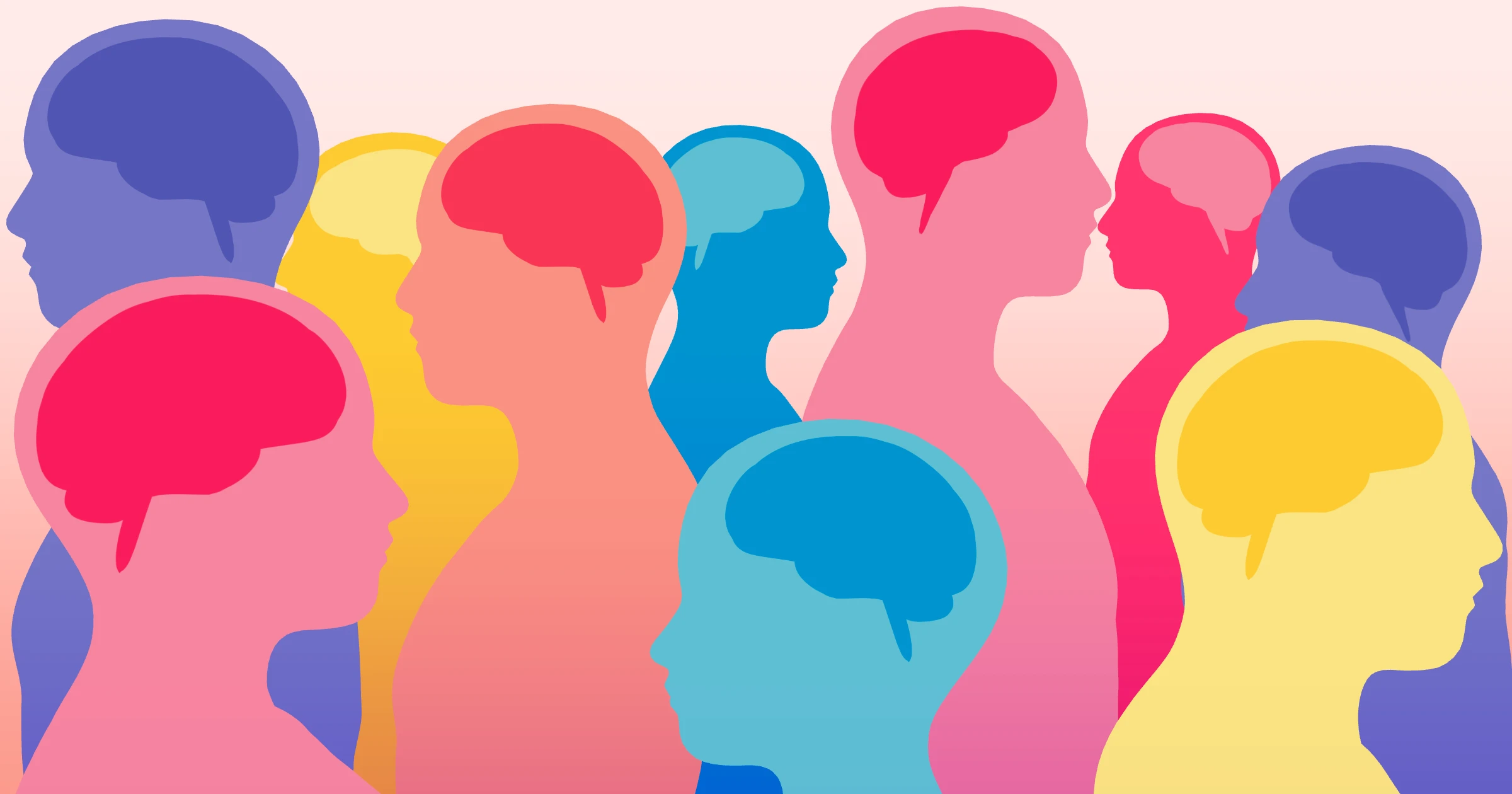
In today’s dynamic and innovation-driven world, fostering a diverse and inclusive workforce represents both a moral obligation and strategic business advantage. Neurodiversity — recognizing individuals with neurological differences including ADHD, autism, and dyslexia — remains an often-overlooked dimension of workplace diversity. Organizations that actively embrace neurodivergent talent can unlock considerable untapped potential while building more resilient, creative, and productive teams.
Barriers Facing Neurodivergent Workers
Despite bringing distinctive strengths and perspectives, neurodivergent individuals encounter substantial workplace obstacles. Misunderstandings, lack of accommodations, and stigma can lead to underemployment, high turnover, and failure to leverage these talented professionals’ capabilities. This creates mutual losses for both employees and employers regarding the advantages of genuinely inclusive environments.
Unlocking Neurodiversity’s Value
The pathway forward involves actively recruiting neurodivergent talent and establishing supportive workplaces that recognize their distinctive capabilities. By acknowledging benefits like enhanced problem-solving, creativity, and precision, organizations access highly skilled, motivated personnel pools.
Key Workplace Benefits
- Divergent thinking: Unique problem-solving angles and innovative brainstorming approaches
- Hyperfocus: Intense concentration and rapid information absorption when engaged
- Attention to detail: High-quality work with reduced errors
- Pattern recognition: Identifying connections others might overlook
- Adaptability: Resilience developed through navigating life challenges
- Employee loyalty: Reduced turnover when properly supported
- Competitive differentiation: Industry advantage through diversity commitment
- Employer branding: Attracting top talent through inclusion demonstration
Creating Inclusive Environments
Organizations must provide accommodations, foster open communication, and train leadership to understand and appreciate neurodiversity. This comprehensive approach enables organizations to unlock untapped potential, foster innovation, and contribute to building a more equitable world.