

 Socious Report
 Socious Work
 Socious Verify
Rethinking AI and Blockchain Forums: How Technology Expos Might Lead for Social Impact
Introduction
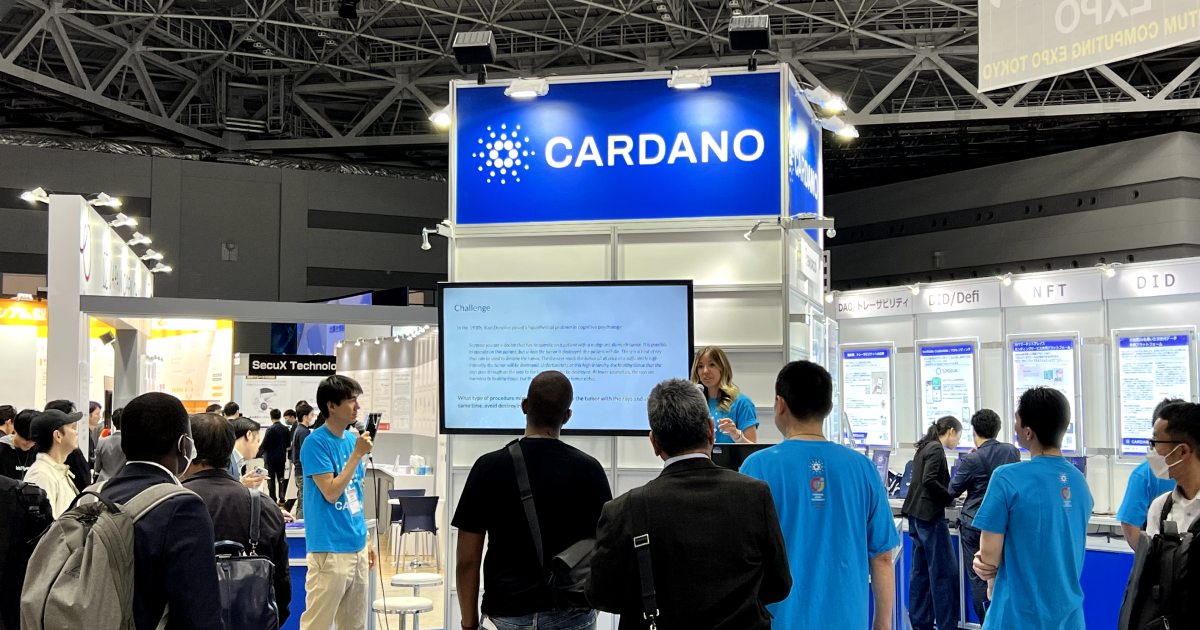
The NexTech Week Blockchain, AI and Quantum Computing Expo at Tokyo Big Sight fell short of expectations. While the author acknowledges the substantial effort required to organize such events, she observed that attendees seemed to move through proceedings mechanistically, adhering to convention without meaningful engagement.
The Opportunity Missed
The expo brought together approximately 30,000 professionals in cutting-edge technology fields — individuals with significant technical expertise and creative potential. Yet the gathering failed to generate substantive discussion about technology’s real-world applications or societal impact. Instead, vendor booths showcased applications that prompted concern rather than enthusiasm.
Case Studies of Questionable Innovation
A cryptocurrency exchange promoted “flexibility in investing” through services already existing within crypto markets. More troubling was a blockchain platform that incentivized activities through tokenized rewards — including “parent to earn,” a model that seemed to commodify parenting itself. While theoretically such mechanisms could address issues like unpaid caregiving — which the ILO estimates at 16.4 billion hours per day globally, predominantly performed by women — the presentation suggested profit rather than social equity motivated these initiatives.
The Economics of Scale
RX Japan, the event organizer, manages 84 exhibitions annually, coordinating 2.5 million attendees and generating over $400 million in revenue yearly. This production-focused model optimizes for financial returns through efficiency rather than thoughtful curation. The profit motive, while understandable, leaves little room for deliberate dialogue about technology’s societal implications.
The Broader Question
In a laissez-faire economic framework, market actors’ spending choices ostensibly reflect their values and desired futures. However, this perspective proves unsatisfying when 30,000 talented professionals gather without addressing genuine challenges facing society. Market forces alone cannot solve complex global problems.
Proposed Solutions
Acknowledging Technological Limitations
Technology innovators must take responsibility for honestly communicating what their creations can and cannot accomplish. ChatGPT’s creator described it as “eloquent, not intelligent” — a distinction vital for preventing misallocation of resources away from proven interventions. Qualitative social benefits from human interaction cannot be replaced by technological tools alone.
Fostering Meaningful Collaboration
Current expo formats resemble isolated cubicles enlarged to gymnasium scale. Rather than one-way presentations to empty rooms, future forums should intentionally convene participants. Requiring three unrelated companies to exhibit together and discover shared narratives would encourage interdisciplinary thinking and genuine connection.
Transforming Attendee Participation
Beyond attending passively, participants should be tasked with identifying social or environmental impact opportunities. This demands critical engagement rather than rote motion-following, potentially generating more dynamic, beneficial outcomes.
Conclusion
While individual impact may feel limited and not “scalable,” leading by example within one’s context creates ripples throughout communities. For Socious and similar impact-focused enterprises, this means reconsidering how technology forums are approached and structured going forward.